
Cochlea-Implantate
SYNCHRONY CI-System
Ein Cochlea-Implantat kann bei schwerer bis hochgradiger Innenohrschwerhörigkeit das Hörvermögen wiederherstellen. Erfahren Sie hier, wie ein Cochlea-Implantat Ihnen oder Ihrem Kind helfen kann, das Wunder des Hörens zu erleben.


Mittelohr-
implantate
VIBRANT SOUNDBRIDGE System
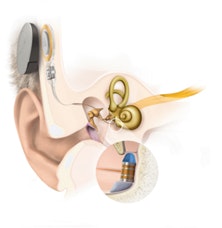
Die VIBRANT SOUNDBRIDGE liefert Menschen mit Schallleitungsschwerhörigkeit, kombiniertem Hörverlust oder mittlerer Schallempfindungsschwerhörigkeit ein natürliches Hörempfinden. Lesen Sie hier, wie die SOUNDBRIDGE auch Ihr Leben verändern kann.

Elektrisch-akustische Stimulation
SYNCHRONY EAS System
Elektrisch-akustische Stimulation kombiniert zwei Technologien miteinander, damit Menschen mit Hochton-Hörverlust wieder bestmöglich hören. Lesen Sie hier, warum das Hören mit EAS dem natürlichen Hören so nahe kommt.


Knochenleitungs-
implantate
BONEBRIDGE System
Bei Schallleitungsschwerhörigkeit, kombiniertem Hörverlust oder einseitiger Taubheit kann das BONEBRIDGE Knochenleitungsimplantat eine passende Lösung bieten. Erfahren Sie hier, ob die BONEBRIDGE als Hörlösung für Sie in Frage kommt.


Knochenleitungs-
hörsysteme
ADHEAR
ADHEAR ist ein revolutionäres Knochenleitungshörsystem für Menschen mit Schallleitungshörverlust. Hier erfahren Sie, wie Sie diese innovative Technologie ausprobieren können.

Welche Hörlösung passt zu mir?
Wir informieren Sie über die verschiedenen Arten von Hörverlust und darüber, welche Lösung in Ihrem Fall die passende sein kann.

Warum MED-EL?
MED-EL Nutzer teilen ihre Erfahrungen und geben Einblick in ihren Alltag. In den Nutzerberichten kommen Menschen aus aller Welt zu Wort – mit völlig unterschiedlichen Lebensumständen, Hörverlusten und Implantaten. Die Vielfalt an persönlichen Geschichten und Erfahrungen liefert einen realistischen Einblick in das Leben mit einer Hörlösung.


Neueste MED-EL Blogartikel


Information für Radiologen
Unter folgendem Link ist unser „Leitfaden für Medizinische Verfahren“ mit allen wichtigen Informationen für Ihren Radiologen abrufbar.


